
get in touch →
Sorcerers Prism
Sorcerers Prism
What if the key to unlocking a magical world was hidden in colours you couldn’t see?
What if the key to unlocking a magical world was hidden in colours you couldn’t see?
What if the key to unlocking a magical world was hidden in colours you couldn’t see?

Role
Game Designer, Visual Designer, Programmer
Team
Tyler Muller (GBDA 302)
Time
Winter 2025, 2 months
Tech
Figma, Illustrator, Javascript
ux / ui
ux / ui
ux / ui
user research
user research
user research
educational design
educational design
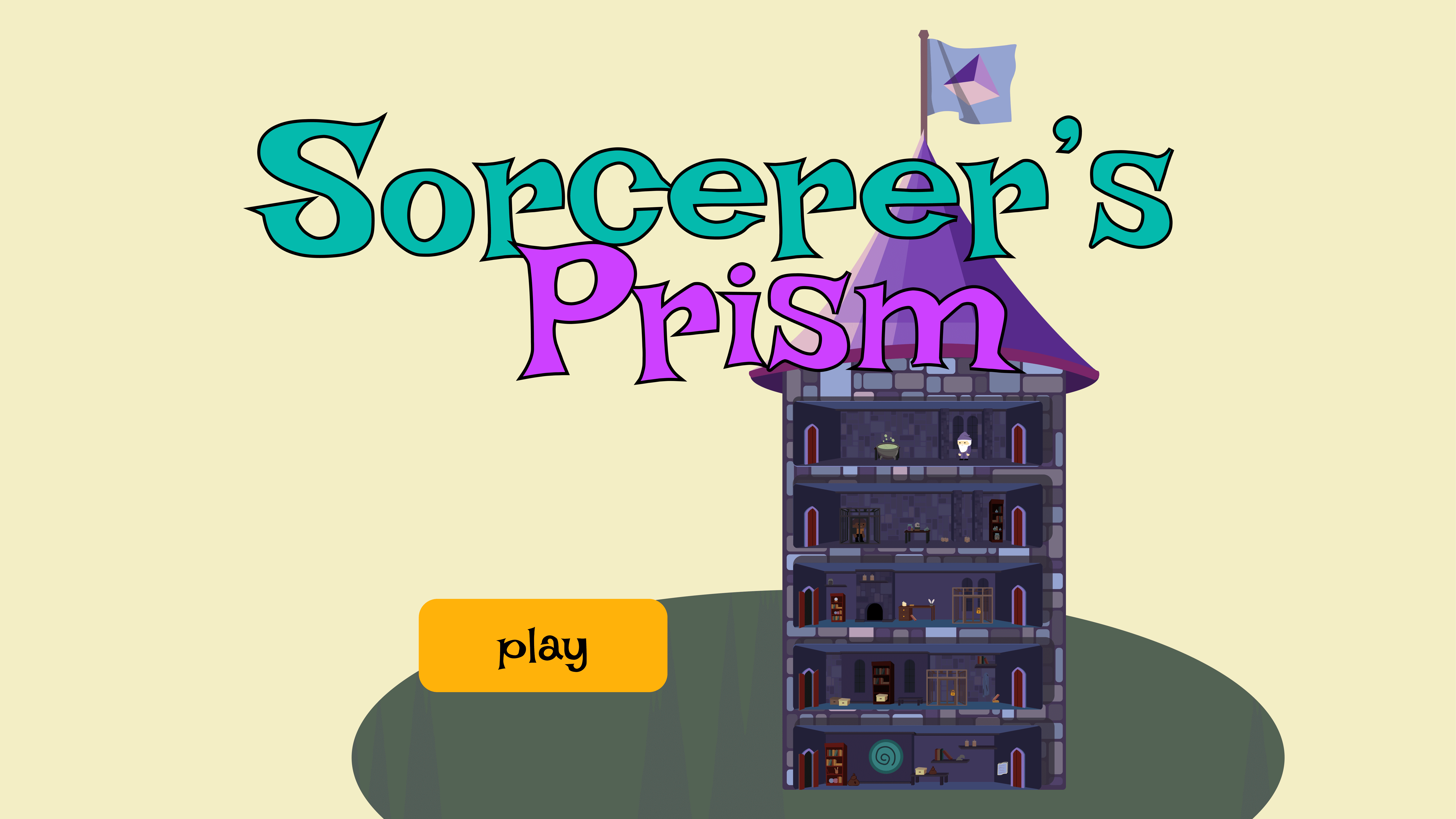
How do you create a game mechanic that doesn't just acknowledge disability, but transforms it into a superpower? The brief was clear: incorporate colour blindness as a core game mechanic while maintaining entertainment value and fostering empathy.
How do you create a game mechanic that doesn't just acknowledge disability, but transforms it into a superpower? The brief was clear: incorporate colour blindness as a core game mechanic while maintaining entertainment value and fostering empathy.
Colour blindness affects 8% of men and 0.5% of women globally, yet most games exclude rather than celebrate these visual differences. Rather than treating colour blindness as a limitation, Sorcerer's Prism reframes different visual perspectives as unique problem-solving tools.
Colour blindness affects 8% of men and 0.5% of women globally, yet most games exclude rather than celebrate these visual differences. Rather than treating colour blindness as a limitation, Sorcerer's Prism reframes different visual perspectives as unique problem-solving tools.
Research
Understanding Colour Vision Deficiency
Secondary research explored the physiological and cognitive aspects of colour vision deficiency to inform authentic game design decisions.
Understanding Colour Vision Deficiency
Secondary research explored the physiological and cognitive aspects of colour vision deficiency to inform authentic game design decisions.
Understanding Colour Vision Deficiency
Secondary research explored the physiological and cognitive aspects of colour vision deficiency to inform authentic game design decisions.
Key Areas
Key Areas
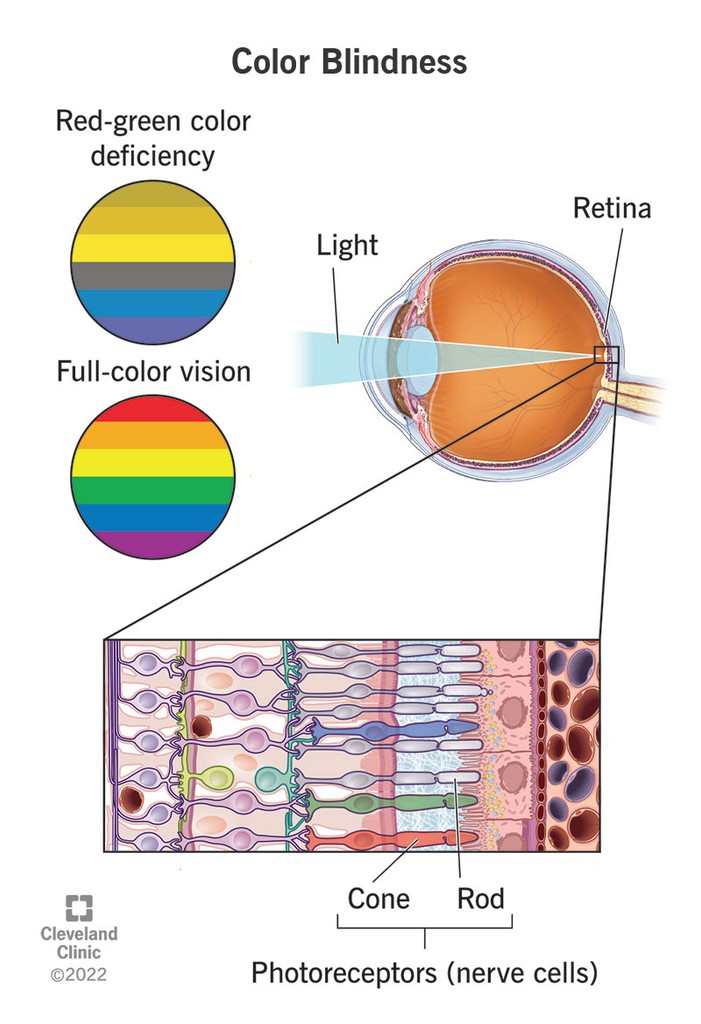
Cone cell dysfunction patterns and their impact on colour discrimination
Enhanced pattern recognition abilities in individuals with colour blindness
Adaptation strategies developed by those with colour vision differences
Contrast sensitivity advantages in certain CVD conditions
Cone cell dysfunction patterns and their impact on colour discrimination
Enhanced pattern recognition abilities in individuals with colour blindness
Adaptation strategies developed by those with colour vision differences
Contrast sensitivity advantages in certain CVD conditions
Gaming & Accessibility
Gaming & Accessibility
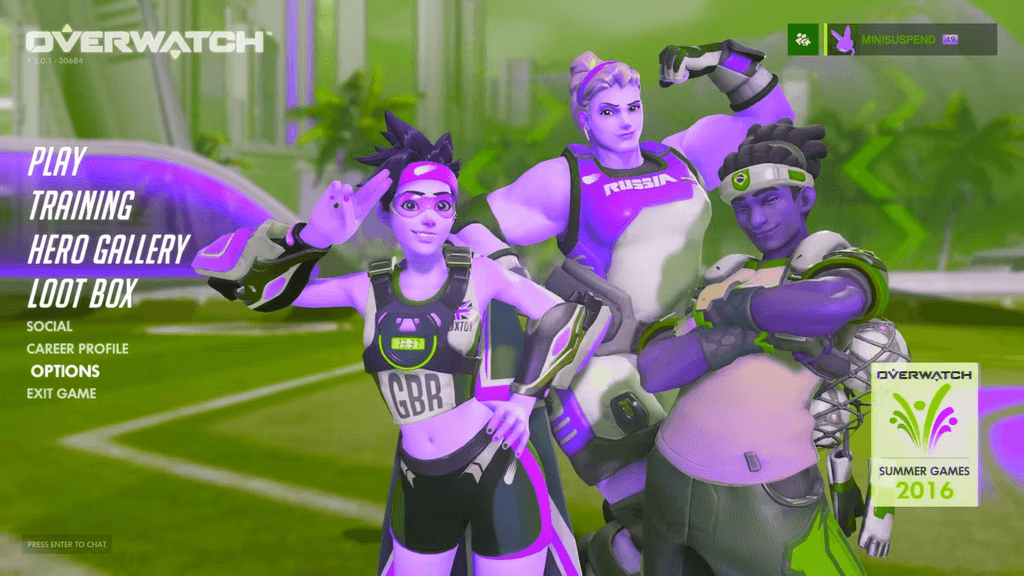
Analysis of existing accessibility features in major games (Overwatch, Call of Duty)
Evaluation of current colour vision simulation tools and their limitations
User interface design principles for colour-independent navigation
Documentation of why most games treat colour blindness as accommodation rather than advantage
Analysis of existing accessibility features in major games (Overwatch, Call of Duty)
Evaluation of current colour vision simulation tools and their limitations
User interface design principles for colour-independent navigation
Documentation of why most games treat colour blindness as accommodation rather than advantage
Typical Vision: Full trichromatic vision serving as baseline for comparison
Typical Vision: Full trichromatic vision serving as baseline for comparison

Deuteranopia: Green-blindness, confusion between green, yellow, and red hues
Deuteranopia: Green-blindness, confusion between green, yellow, and red hues

Protanopia: Red-green colour blindness, confusion with red/brown/green combinations
Protanopia: Red-green colour blindness, confusion with red/brown/green combinations

Tritanopia: Blue-yellow colour blindness, difficulty with purple/red distinctions
Tritanopia: Blue-yellow colour blindness, difficulty with purple/red distinctions

Achromatopsia: Complete absence of colour perception, enhanced motion detection
Achromatopsia: Complete absence of colour perception, enhanced motion detection


Design Approach
Design Philosophy
Disability simulation as empathy-building tool
Different visual perspectives as unique advantages
Gaming that celebrates human diversity
Design Philosophy
Disability simulation as empathy-building tool
Different visual perspectives as unique advantages
Gaming that celebrates human diversity
Narrative
Narrative
The storyline follows four friends with different colour perceptions who are captured by an evil sorceror. Players must incorporate each character's unique "vision" to solve puzzles and rescue the friends, transforming individual differences into collective strength.
The storyline follows four friends with different colour perceptions who are captured by an evil sorceror. Players must incorporate each character's unique "vision" to solve puzzles and rescue the friends, transforming individual differences into collective strength.
Core Mechanic
Core Mechanic
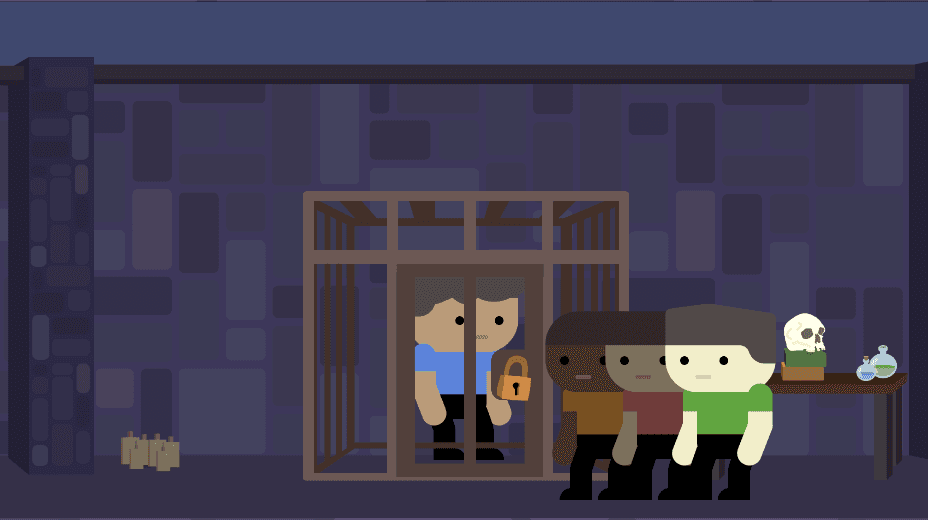
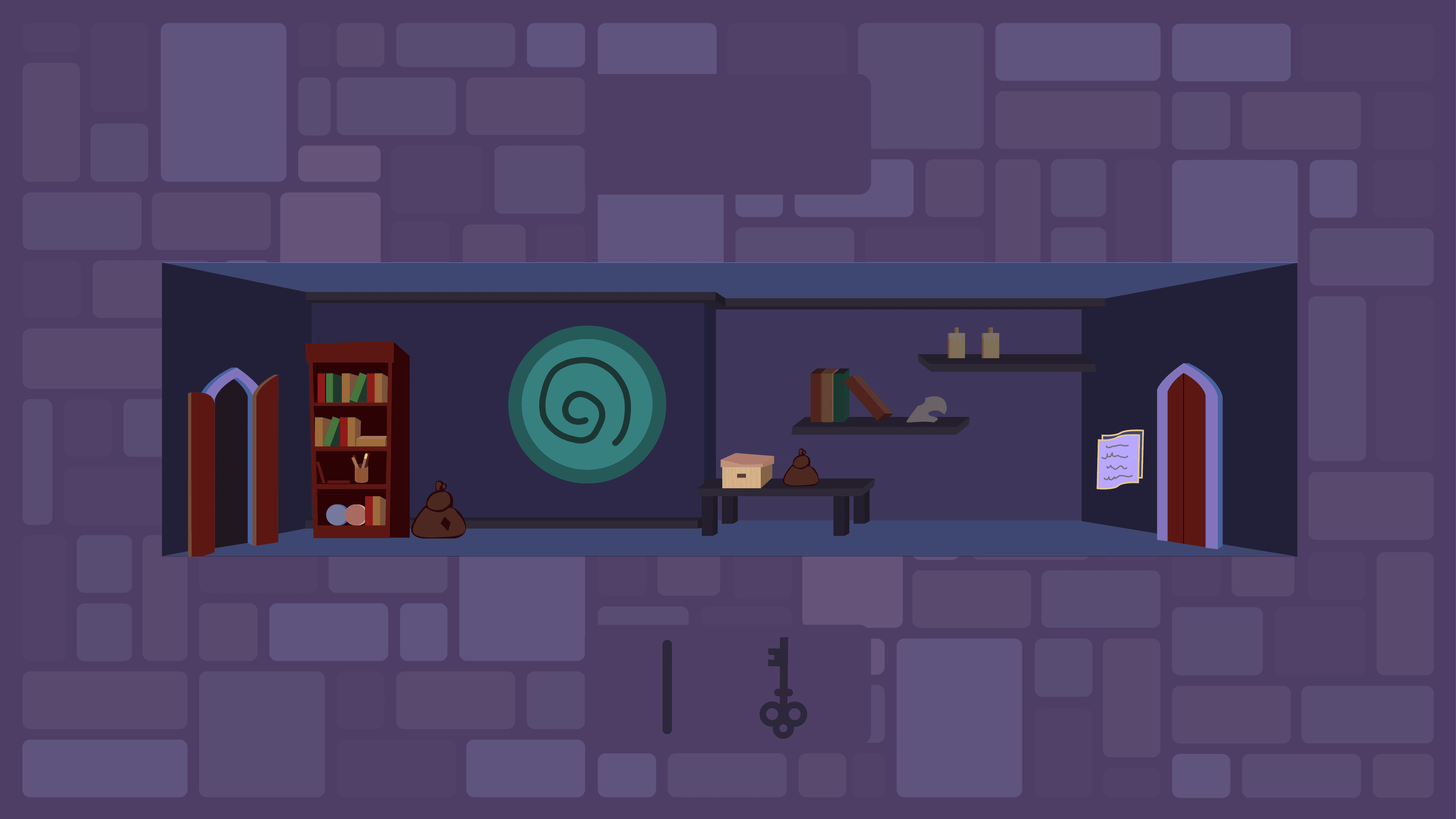
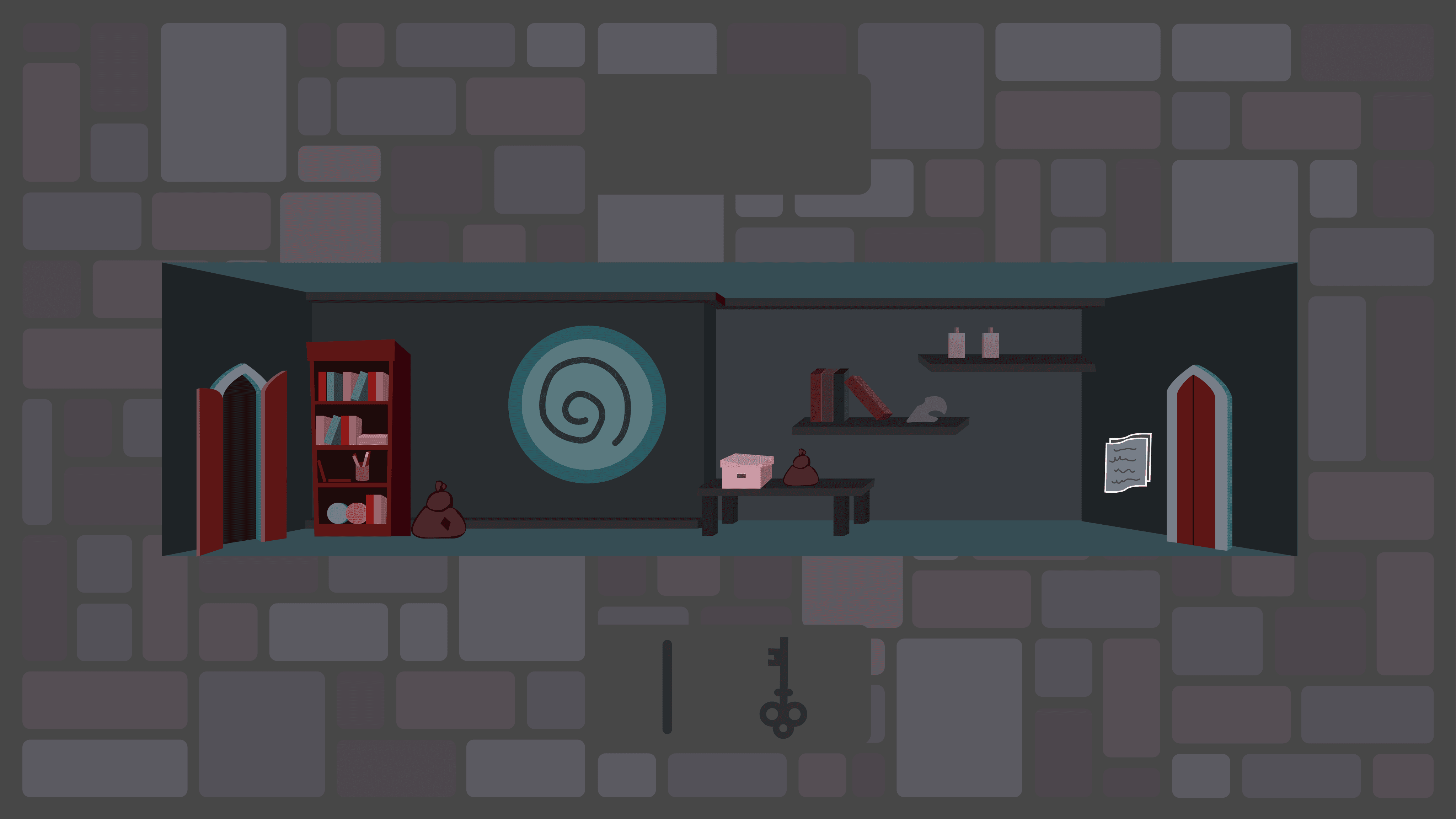
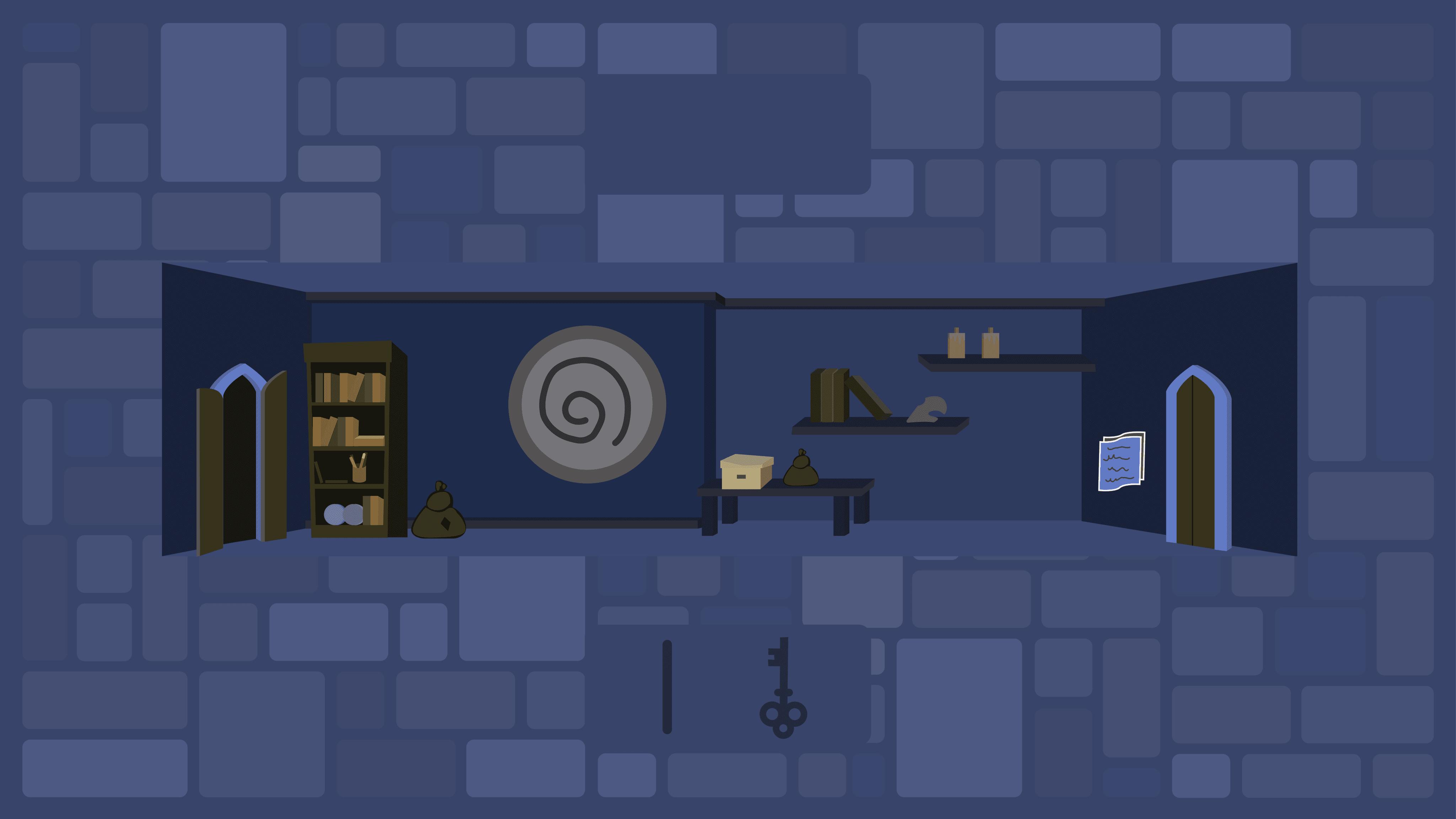
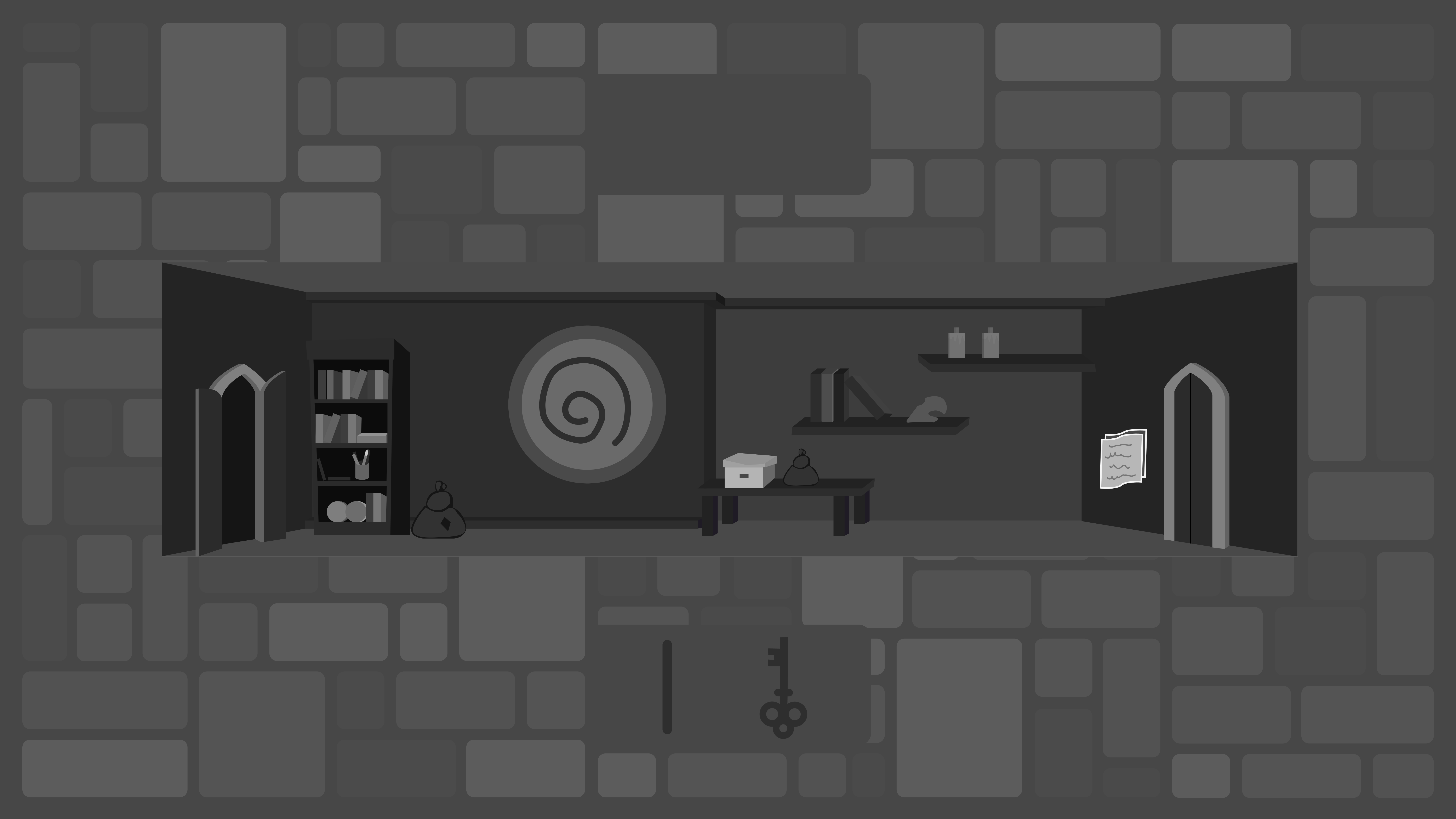
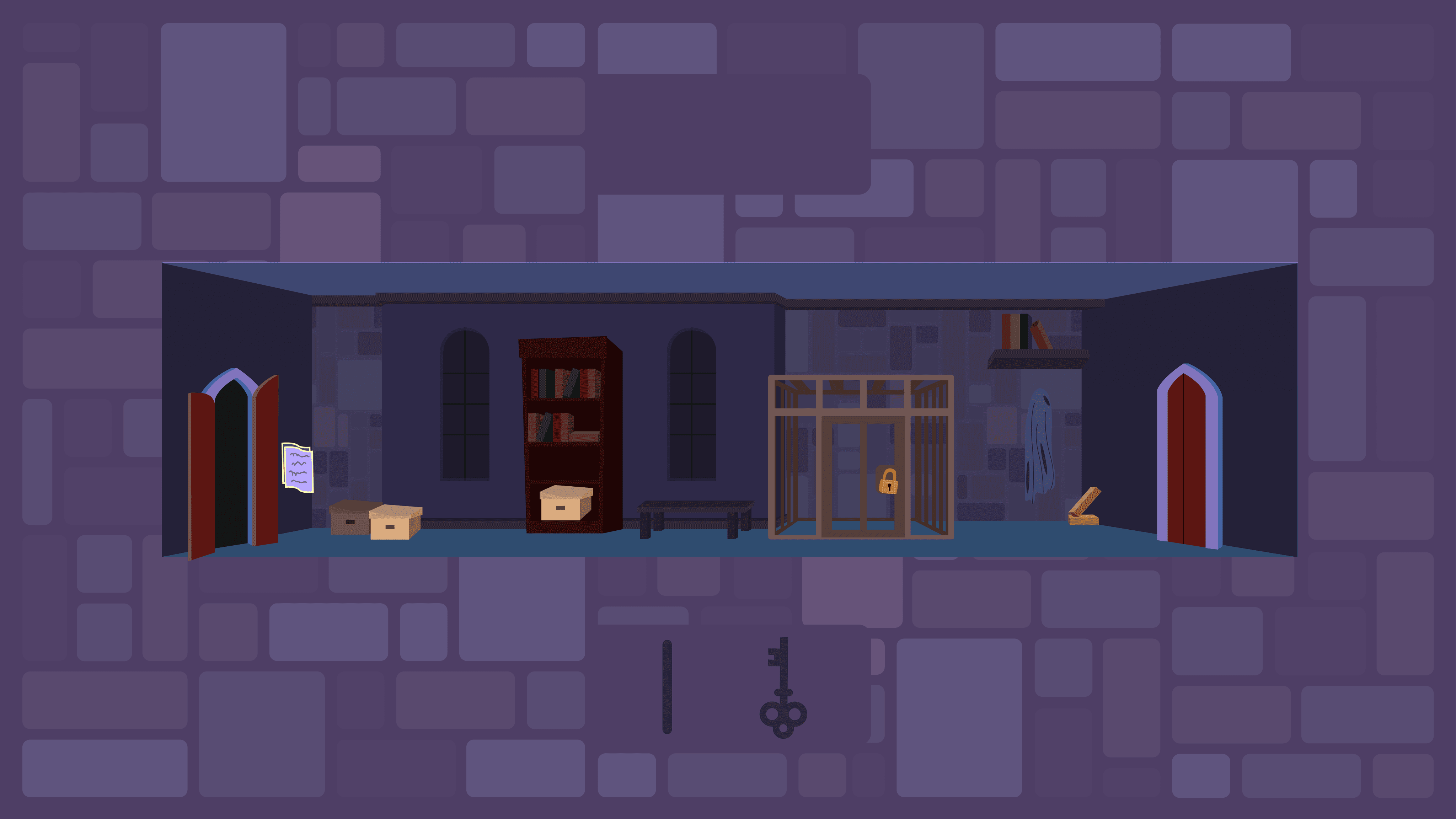
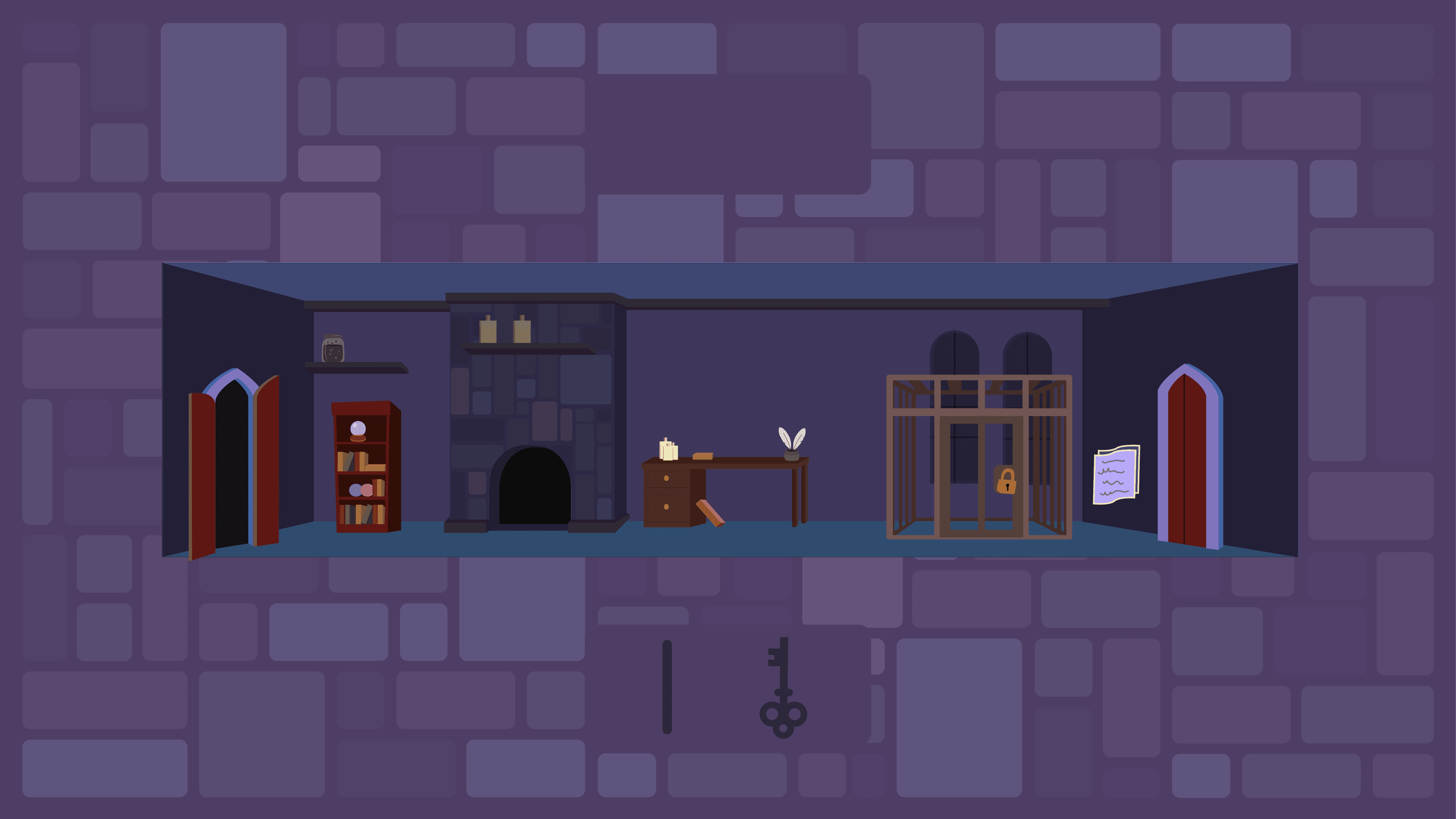
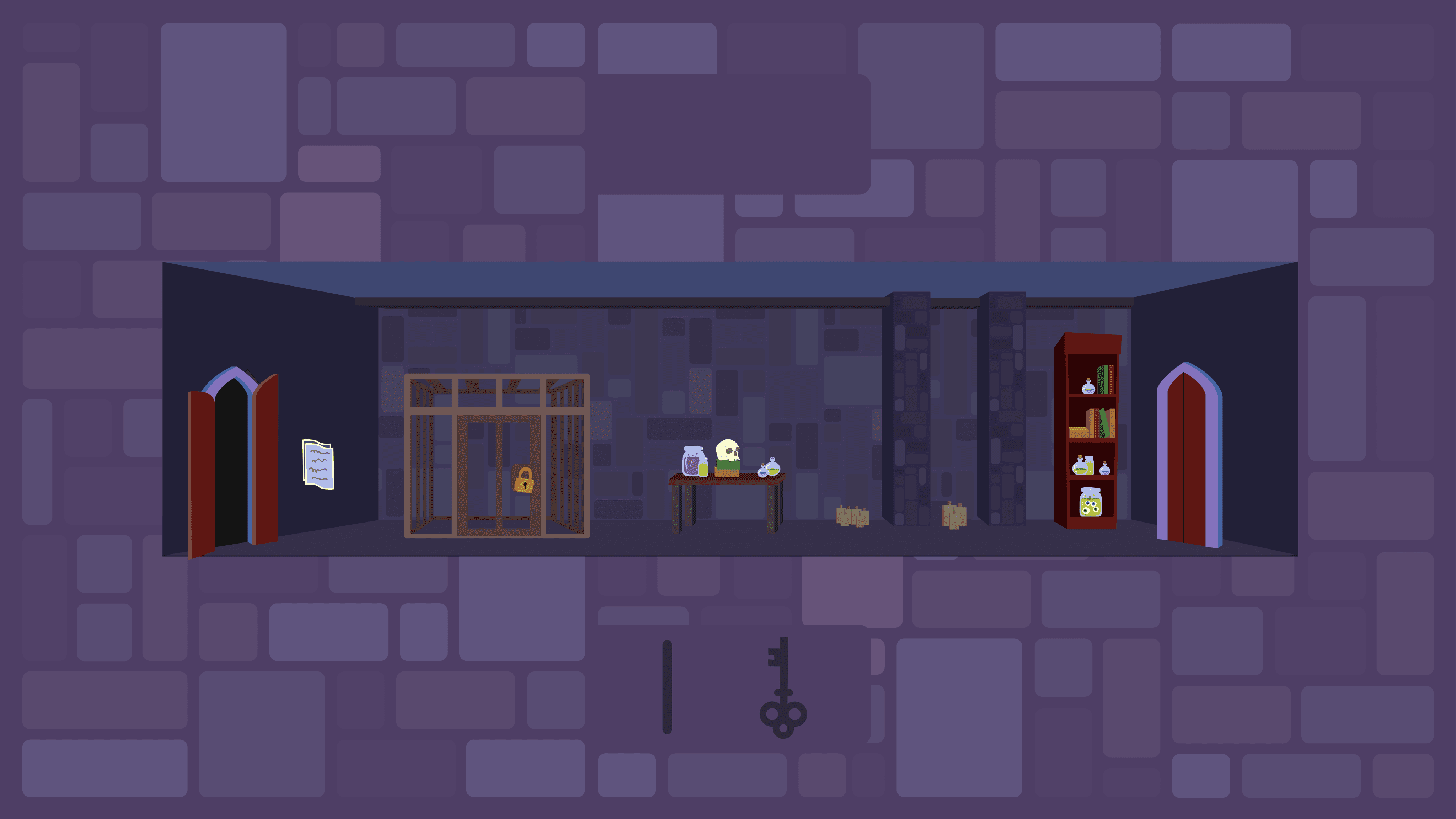
The game uses character selection to dynamically transform the entire game world's colour palette, each character simulating a different distinct colour vision condition, achromatopsia, typical, protanopia, and tritanopia.
The game uses character selection to dynamically transform the entire game world's colour palette, each character simulating a different distinct colour vision condition, achromatopsia, typical, protanopia, and tritanopia.
Chromatic Cypher System
Chromatic Cypher System
The main gameplay revolves around "Chromatic Ciphers"—word puzzles that can only be solved under specific colour vision conditions. Players switch between characters to reveal hidden text and symbols that are invisible in other colour schemes. A letter or number that is not visible in typical vision becomes clearly readable text in another, revealing the spell needed to unlock a door.
The main gameplay revolves around "Chromatic Ciphers"—word puzzles that can only be solved under specific colour vision conditions. Players switch between characters to reveal hidden text and symbols that are invisible in other colour schemes. A letter or number that is not visible in typical vision becomes clearly readable text in another, revealing the spell needed to unlock a door.
Feedback Systems
Feedback Systems
Clear visual feedback helps players understand their progress and actions across all colour schemes. When players find items, wands and keys appear floating above their head before moving to the inventory sections at the bottom of the screen. Cages visually transform from locked doors to open gates when unlocked. If players try to open a spellbook without an equipped wand, a warning screen prevents confusion and guides them toward the correct action.
Clear visual feedback helps players understand their progress and actions across all colour schemes. When players find items, wands and keys appear floating above their head before moving to the inventory sections at the bottom of the screen. Cages visually transform from locked doors to open gates when unlocked. If players try to open a spellbook without an equipped wand, a warning screen prevents confusion and guides them toward the correct action.
Biggest Set Back
Code Structure Crisis
Code Structure Crisis
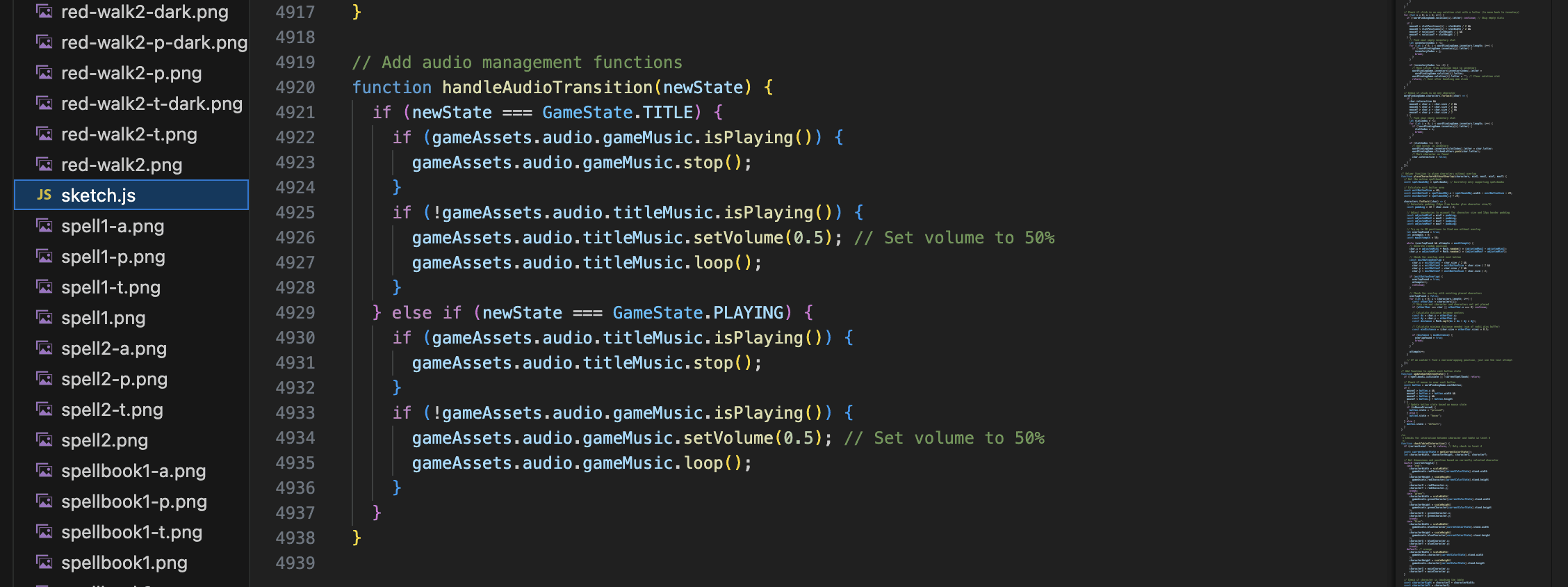
The project's biggest setback came from poor code architecture decisions made under time pressure. Initial development used "vibe coding"—rapid prototyping without proper structure—which worked well for the basic mechanics. However, as levels, characters, and feedback systems were added, the single-file codebase spiraled out of control.
The main game file ballooned to over 4,000 lines of unorganized code. What started as quick fixes became a maintenance nightmare. Adding new features required manual debugging through thousands of lines, and AI assistance became useless, small fixes would break entire sections of the game. This led to 20+ hours of sleep-deprived manual debugging sessions, hunting through dense code blocks to implement basic features.
The project's biggest setback came from poor code architecture decisions made under time pressure. Initial development used "vibe coding"—rapid prototyping without proper structure—which worked well for the basic mechanics. However, as levels, characters, and feedback systems were added, the single-file codebase spiraled out of control.
The main game file ballooned to over 4,000 lines of unorganized code. What started as quick fixes became a maintenance nightmare. Adding new features required manual debugging through thousands of lines, and AI assistance became useless, small fixes would break entire sections of the game. This led to 20+ hours of sleep-deprived manual debugging sessions, hunting through dense code blocks to implement basic features.
Impact On Design
Impact On Design
The messy codebase forced significant scaling back of the original vision. Word puzzle designs had to be simplified from their initial concept. Was unable to implement a proper instruction screen. The narrative ending was drastically reduced, from characters defeating the wizard with escape animations to simply turning him into a chicken and ending the game. Several planned feedback mechanisms were abandoned due to implementation complexity in the tangled code structure.
The messy codebase forced significant scaling back of the original vision. Word puzzle designs had to be simplified from their initial concept. Was unable to implement a proper instruction screen. The narrative ending was drastically reduced, from characters defeating the wizard with escape animations to simply turning him into a chicken and ending the game. Several planned feedback mechanisms were abandoned due to implementation complexity in the tangled code structure.
Technical Growth
Technical Growth
This experience sparked deep interest in proper code architecture. Post-project research focused on modular coding practices, particularly JavaScript frameworks and React component structure. The painful lesson of managing monolithic code files led to studying separation of concerns, component-based architecture, and maintainable code practices.
The crisis became a catalyst for understanding that good code structure isn't just about cleanliness, it directly impacts creative possibilities and project scope. Managing this architectural nightmare taught valuable lessons about what becomes possible when code is properly organized versus the creative limitations imposed by technical debt.
This experience sparked deep interest in proper code architecture. Post-project research focused on modular coding practices, particularly JavaScript frameworks and React component structure. The painful lesson of managing monolithic code files led to studying separation of concerns, component-based architecture, and maintainable code practices.
The crisis became a catalyst for understanding that good code structure isn't just about cleanliness, it directly impacts creative possibilities and project scope. Managing this architectural nightmare taught valuable lessons about what becomes possible when code is properly organized versus the creative limitations imposed by technical debt.
With more time, more user testing would have helped improve the interactions, cues, and experience of the game.
Also, if this project were approached again, time would be spent with actual colour blind gamers early in the process. While simulation tools provided valuable technical insights, authentic user feedback would have made the game more meaningful.
With more time, more user testing would have helped improve the interactions, cues, and experience of the game.
Also, if this project were approached again, time would be spent with actual colour blind gamers early in the process. While simulation tools provided valuable technical insights, authentic user feedback would have made the game more meaningful.
Key Takeaways
Narrative Breakthrough
The story only worked when the characters' differences stopped being framed as obstacles to overcome. The moment their unique vision was reframed as their superpower, the entire game clicked into place.
Narrative Breakthrough
The story only worked when the characters' differences stopped being framed as obstacles to overcome. The moment their unique vision was reframed as their superpower, the entire game clicked into place.
Asset Management Reality
Creating four versions of every single game asset was exhausting but taught the importance of systematic design thinking. What seemed like a technical burden became a lesson in designing scalable, inclusive systems from the ground up.
Asset Management Reality
Creating four versions of every single game asset was exhausting but taught the importance of systematic design thinking. What seemed like a technical burden became a lesson in designing scalable, inclusive systems from the ground up.
Code Architecture Understanding
What started as "just get it working" coding turned into a nearly 5,000-line monster that nearly killed the project. Good structure isn't about being neat, it's about what becomes possible. Clean architecture is creative freedom in disguise.
Code Architecture Understanding
What started as "just get it working" coding turned into a nearly 5,000-line monster that nearly killed the project. Good structure isn't about being neat, it's about what becomes possible. Clean architecture is creative freedom in disguise.
Empathy Gap
Working with color vision simulation tools revealed how much personal visual experience is taken for granted. It's humbling to discover that what feels "obvious" might be completely invisible to someone else.
Empathy Gap
Working with color vision simulation tools revealed how much personal visual experience is taken for granted. It's humbling to discover that what feels "obvious" might be completely invisible to someone else.
Sorcerer's Prism proved that the most innovative solutions often come from embracing constraints rather than trying to eliminate them. Colour blindness wasn't a problem to solve; it was a creative catalyst that led to gameplay mechanics that never would have been discovered otherwise.
"True innovation in game design comes from seeing differences as opportunities, not obstacles."
Sorcerer's Prism proved that the most innovative solutions often come from embracing constraints rather than trying to eliminate them. Colour blindness wasn't a problem to solve; it was a creative catalyst that led to gameplay mechanics that never would have been discovered otherwise.
"True innovation in game design comes from seeing differences as opportunities, not obstacles."